BAYYA BOTS. We build apps and websites around how your business actually works.
AI BOTSAPPSAUTOMATIONSTU

 DIO— Software architecture and automation studio






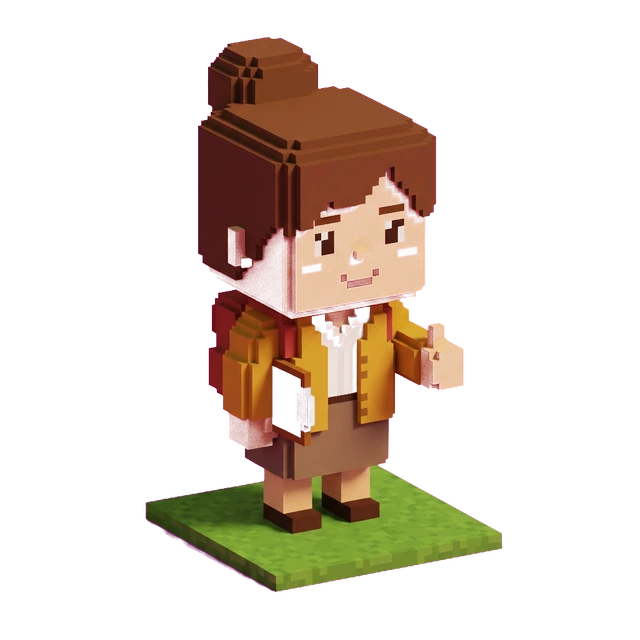


Bayya Bots designs custom digital products, operational platforms, and websites for the workflows your team and customers use every day.
- Multi-tenant systems
- Secure workflow boundaries
- Product operations
- Design tooling
- Testing discipline
- India-aware operational flows
01
Selected systems

Six built systems, one way of working
Each entry is a product with a real workflow, a clear audience and an honest status. Open the folder for its files, or open the case study.
- 01BuiltSocial-media agency operations

Plan content per client, get exact-version approvals without a client login, publish through a durable queue, and prove results with shareable reports.
- Multi-tenant
- RLS ~70 tables
- Hashed portal tokens
- Durable queue
- 71 unit tests
- 02Hosted demoHome-service customer, field and operations workflows
R365working name
A customer storefront for home services plus the operations desk behind it: inquiries, visits, proof, invoices and repeat work.
- Server-priced cart
- GST
- Forced RLS
- Slot holds
- EN · TE · HI
- 03BuiltCoaching-business delivery and revenue operations
CoachOS
Lead → purchase → intake → sessions → check-ins → progress proof → renewal, for a coaching business with a team.
- Multi-tenant
- RLS test in PGlite
- Better Auth
- Approval-gated AI
- 42 + 38 tests
- 04BuiltConsumer fitness, nutrition and family health
FitBud
Log meals and movement, track calories, macros, water and weight, keep streaks and follow onboarding-based targets from a phone.
- Installable PWA
- Offline mode
- 13 languages
- web-push
- Family tools
- 05Working demo (sandbox adapters)Indian builder sales CRM
Nivas
Inquiry → ownership → qualification → unit match → follow-up → site visit → cost sheet → reservation → booking → documents → handoff.
- Branch scoping
- Consent-aware
- Price versions
- 3D massing
- Dry run · retries · dead letter
- 06Early testingBills, jobs and team chat for Indian businesses

Team chat, bills, jobs, approvals and GST in one place: a bill photo sent in a job chat is read, filed on the right job and lands in the GST pack for the CA.
- DocNest Messenger
- Bill reading · GSTIN check
- Cost cards
- GST pack for CA
- 158 tests






+
Sample websites
Two trades, two finished sites
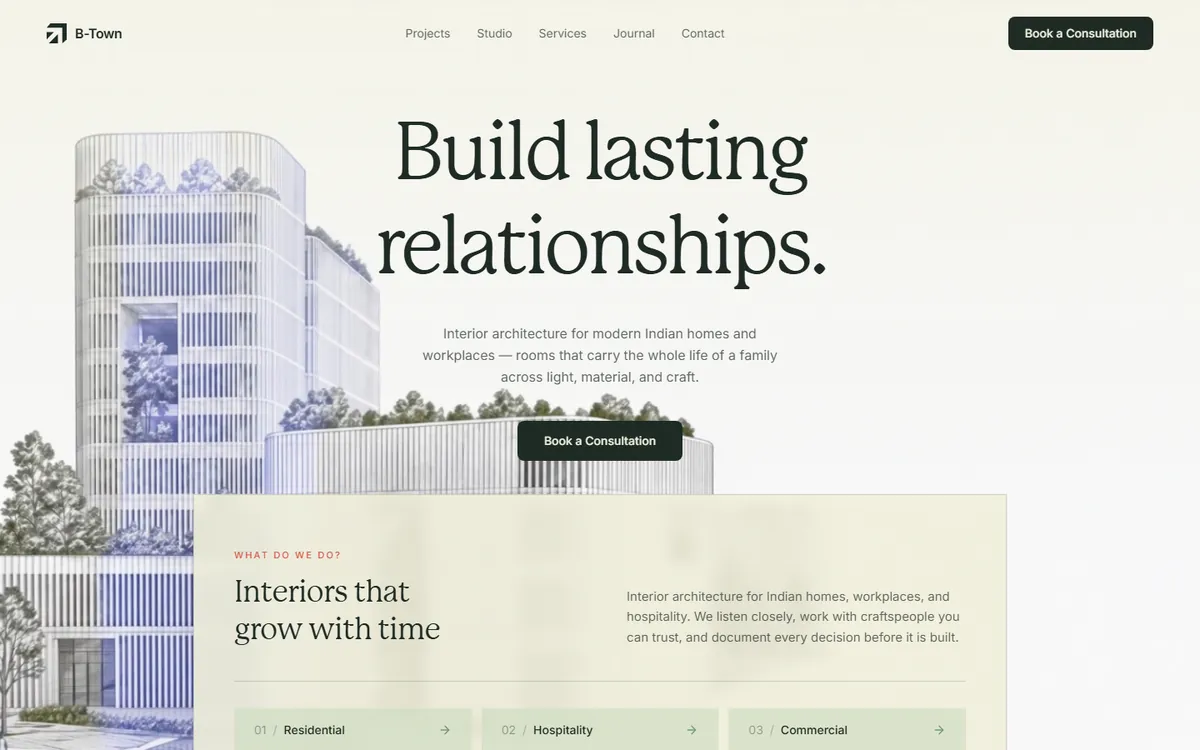
Sample website · Interior designers
B-Town Studio
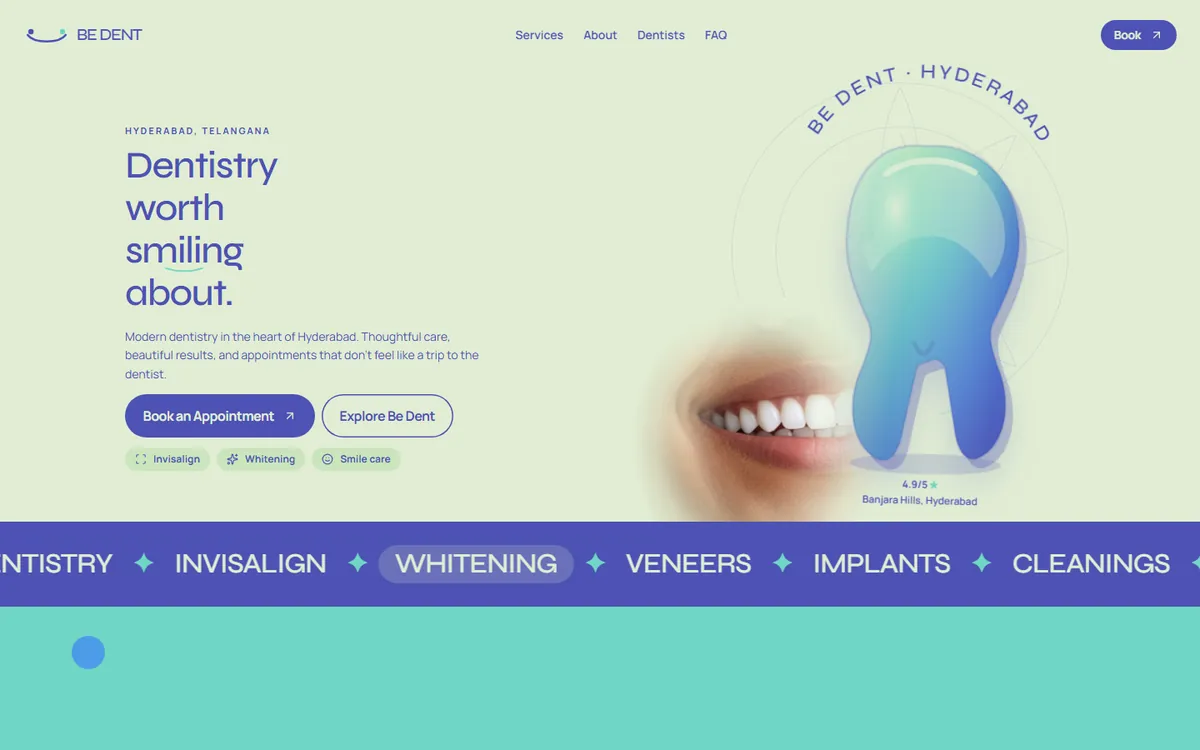
Sample website · Dental clinic
Be Dent Hyderabad
02
Product story line

One system, many operating contexts
Every product above is the same five layers arranged for a different business. The layer names below are the ones used in the actual code and documents.
- 01.
Customer experience
Storefronts, portals and apps where customers book, approve, pay or log. Server-priced, consent-aware, mobile first.
- 02.
Team workspace
The desks the team actually sits at: Today queues, dispatch boards, pipelines, inboxes and approval flows.
- 03.
Workflow engine
State machines for bookings, approvals, cost sheets and publishing, with retries, dry runs and dead letters where work can fail.
- 04.
Data and security
Row-level security, restricted database roles, hashed tokens and sessions, immutable invoices and audit surfaces.
- 05.
Integrations and automation
Adapters for messaging, payments, storage and models, sandboxed until keys and approvals exist, never assumed live.
03
How Bayya works

Four stages, no theatre
The order is fixed. A stage is done when its written output exists, not when a meeting ends. Keep scrolling: the track slides sideways and each stage lights up as it reaches the centre.

Founder & developer
Every project, the same four stages
Before anything is built, you meet the person who builds it. Keep scrolling: the stages come in one at a time.
01 · Understand the workflow
We map who does what, in which order, with which data, before any screen is drawn. The output is a written model of the operation as it runs today.
02 · Model the system
Roles, tenancy, state transitions and integrations are decided on paper: what the server owns, what the client is allowed to ask for, and where the boundaries sit.
03 · Build the operating surface
Interfaces are built for the people who run the work every day: queues, approvals, inboxes and reports, with every control carrying its states.
04 · Prove it under real conditions
Unit, integration and journey tests, accessibility checks and demo data that behaves like the real thing, before anything is called ready.
04
Engineering evidence

Claims with file paths behind them
Nothing here is a studio-wide promise. Each line names the product in which it is implemented and tested.
Bayya Bots|Engineering evidence
- 71Unit tests · CheapBots
- 38 + 11Unit + integration tests · R365
- 42Vitest tests · CoachOS
- 38Vitest tests · Nivas
- 158Python tests · DocNest
05
Future directions

R&D, labelled as such
Work in this section is not launched and is not sold. It is shown because the thinking is part of the studio's method.
- 07Concept / future direction
Interior Design Platform working name
One model connecting precise 2D drafting, parametric 3D, client approval, schedule, BOQ, quote and presentation workflows, with designer-owned exports.
R&D. Foundation phase in progress; the codename is not cleared for public use and is not shown.
What exists today
- Software architecture
- Automation
- Operational platforms
- Customer portals
- Workflow engines
- Dispatch desks
- CRM
- Approval flows
- Reporting
- Next.js
- React
- TypeScript
- Postgres
- Neon
- Supabase
- n8n
- Tailwind
- Playwright
- Row-level security
- Vercel
- PWA


EnquiryConversation
We Map Your Workflow
Before We Build
Send an enquiry first. We set up a call, walk through how the work runs today and show you a sample template. Nothing is built or priced until you decide.


- 01
Submit an enquiry
Describe the workflow, who runs it and what breaks today. Rough notes are fine.
- 02
Confirm requirements
We reply with questions and a written summary of what we understood, so nothing is assumed.
- 03
Architecture conversation
A working session on the system shape: roles, data, boundaries, phases. No quote or timeline is promised before this.